
 By
By Understanding the psychological impact of gambling Are you playing with your mind
The Allure of Gambling
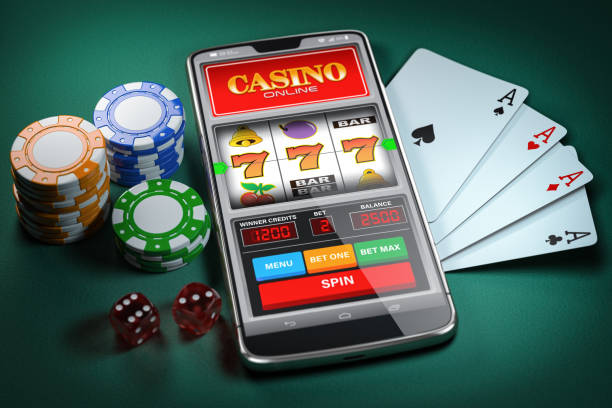
The psychological allure of gambling lies in the promise of quick rewards and the thrill of risk-taking. Many individuals are drawn to the excitement that comes from the possibility of winning big, often overlooking the odds stacked against them. This initial rush can create a powerful psychological response, releasing dopamine, a neurotransmitter associated with pleasure and reinforcement, which can lead to a cycle of repeated behavior. Interestingly, exploring online casinos can contribute to this excitement, as they offer easy access to gambling experiences without the need to visit a physical location.

This temptation can quickly turn into an obsession as individuals chase losses or seek to recreate the euphoria of their wins. The intermittent reinforcement—the unpredictability of wins and losses—can make gambling particularly addictive, as players remain hopeful for future successes while rationalizing their losses. Understanding these psychological factors is crucial for anyone involved in gambling activities.
The Impact of Cognitive Dissonance
Cognitive dissonance is a psychological phenomenon that occurs when individuals experience conflicting beliefs or emotions. In gambling, players often grapple with the notion of luck versus skill, leading to internal conflict. For instance, a person may rationalize their gambling habits despite significant losses, convincing themselves that they have control over their outcomes.
The Role of Environment in Gambling Behavior
The environment plays a critical role in shaping gambling behavior and the psychological impact it has on individuals. Casinos are designed to create an immersive experience, with bright lights, enticing sounds, and an atmosphere that promotes risk-taking. These elements can heighten excitement, further reinforcing the desire to gamble.
Moreover, social influences and peer pressure can amplify gambling behaviors. Friends or family members who engage in gambling can normalize the activity, leading individuals to partake without fully considering the risks involved. This social aspect can create a sense of belonging but may also mask the potential for harmful consequences.
Understanding Compulsive Gambling
Compulsive gambling, or gambling disorder, is characterized by an uncontrollable urge to gamble despite the negative consequences it brings. This condition is often rooted in deeper psychological issues, such as anxiety or depression, where individuals use gambling as a coping mechanism. Understanding the psychological underpinnings of this disorder is essential for effective treatment and recovery.
Individuals suffering from compulsive gambling often find themselves trapped in a cycle of debt and emotional turmoil. The stigma surrounding gambling addiction can also deter them from seeking help, further complicating their situation. Awareness and education are crucial in breaking this cycle and promoting healthier behaviors.
Your Safe Gaming Experience
As you explore the world of online gaming and gambling, it is essential to prioritize a safe and responsible approach. Our platform is designed with user security in mind, ensuring a safe environment for all participants. Understanding the psychological aspects of gambling can empower you to make informed decisions and recognize when to take a step back.
We encourage players to engage responsibly, keeping in mind the potential psychological impacts of gambling. Should you find yourself struggling with your gambling habits, resources and support are available to guide you towards healthier gaming practices. Your well-being should always come first in your gaming journey.